


 Česky (CZK)
Honduras El Jardin Anaerobic Natural Pacas - Filter




Honduras El Jardin Anaerobic Natural Pacas - Filter
Flavor profile
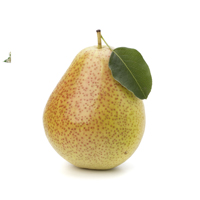
pear
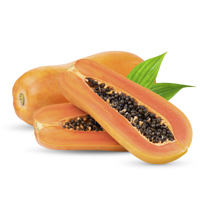
dried papaya
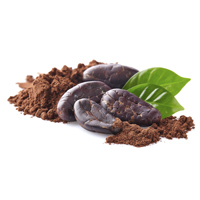
cacao nibs
Body
Sweetness
Acidity
Bitterness
|
Country of origin |
Honduras |
|
Farm |
El Jardin Farm, Mario Samuel Mejia |
|
Processing method |
Anaerobic Natural |
|
Variety |
Pacas |
|
Altitude |
1,400–1,650 m a.s.l. |
|
Roast profile |
Filter roast |
Flavor profile
pear
dried papaya
cacao nibs
Body
Sweetness
Acidity
Bitterness
|
Country of origin |
Honduras |
|
Farm |
El Jardin Farm, Mario Samuel Mejia |
|
Processing method |
Anaerobic Natural |
|
Variety |
Pacas |
|
Altitude |
1,400–1,650 m a.s.l. |
|
Roast profile |
Filter roast |
An exceptional coffee for lovers of sweet, fruity and complex flavors. Honduras El Jardin Dry Anaerobic Natural offers expressive notes of pear, dried papaya and cacao nibs, thanks to carefully selected ripe cherries and a precisely controlled anaerobic fermentation process.
Flavor and brewing
Honduras El Jardin Dry Anaerobic Natural stands out with a combination of juicy fruitiness, pronounced sweetness and a deeper cacao character. In the cup, ripe pear and dried papaya unfold alongside a pleasant cacao character reminiscent of cacao nibs. The anaerobic fermentation adds another layer of complexity and enhances the coffee's sweetness and aromatic character. The result is an expressive and layered coffee that combines fresh fruitiness, the sweetness of dried fruit and a lingering cacao finish.
We recommend brewing it primarily as a filter coffee, where its complex flavor profile, fruitiness and clarity have plenty of room to shine. Thanks to its expressive processing and distinctive aromatic character, it is also an excellent choice for anyone who enjoys exploring more experimental coffees and lots with a pronounced character.
About El Jardín Coffee
This coffee comes from Finca El Jardín, located in the Montecillos region of the La Paz department in southwestern Honduras. The farm is managed by Mario Samuel Mejia Rodriguez and its story dates back to 1981, when it was established by his family. Coffee production here continues a family tradition spanning four generations. Today, the family focuses primarily on producing high-quality specialty coffees for markets where quality and cup character are the main priorities.
Finca El Jardín is located at an elevation of approximately 1,400–1,650 meters above sea level, near the Montecillos Reserve. The mountainous environment and local conditions create favorable conditions for slower cherry maturation. This allows more complex flavor and aromatic characteristics to develop, which can later be expressed in the cup.
The Montecillos region is characterized by mountainous terrain, clay loam soils and a temperate climate. The combination of these conditions contributes to the quality of local coffee production and encourages slower development of the coffee cherries. The farm also works with the surrounding landscape and focuses on soil and water management. Experimental plots with timber trees have been introduced to help retain water during dry periods and protect the soil from erosion caused by heavy seasonal rains.
Finca El Jardín is therefore focused not only on coffee production itself, but also on finding ways to maintain the long-term quality of the farm and the conditions in which the coffee plants grow. The result is a selection of specialty coffees where both the quality of the raw material and careful processing are given great attention.
Dry Anaerobic Natural processing
This coffee was processed using the Dry Anaerobic Natural method, which combines anaerobic fermentation of whole coffee cherries with subsequent drying. The process begins immediately after harvesting, when the cherries undergo flotation sorting in water. During this step, underripe, damaged or low-density cherries are removed as they float to the surface. This careful selection ensures that primarily ripe cherries continue to the next stage of processing.
The selected ripe cherries are then placed in sealed containers, where dry anaerobic fermentation takes place without the addition of water. The fermentation therefore occurs directly in the juice and mucilage naturally contained within the coffee cherries. Naturally occurring yeasts and bacteria drive the process, creating and transforming various aromatic compounds during fermentation.
The fermentation lasts approximately 90 hours, or almost four days. Throughout this period, the process is continuously monitored, with particular attention paid to temperature and pressure. The controlled fermentation allows the development of organic acids, esters and other aromatic compounds, which contribute to the expressive and complex flavor profile of the finished coffee.
After fermentation is complete, the whole coffee cherries are spread in thin layers on African drying beds. Because the coffee is dried as a whole fruit, the bean remains in contact with the pulp and mucilage throughout the drying process. The cherries are turned regularly to ensure even drying and to minimize the risk of mold development.
Depending on weather conditions, drying can take up to 20 days. The process continues until the coffee beans reach a final moisture content of approximately 10–12%. Slow drying of the whole cherries after anaerobic fermentation helps preserve and further develop the aromatic characteristics created during fermentation.
The result is a complex and expressive coffee with a combination of fruity and cacao notes. The cup brings together sweet and juicy pear with dried papaya and a deeper character reminiscent of cacao nibs. It is this combination of fruitiness, sweetness and cacao that gives this coffee its distinctive and layered character.