Česky (CZK)
How Do Natural Coffees Taste
Natural Coffee Processing Method
The natural processing method, dry process, or simply "natural" — all these names refer to the same way of processing coffee. And it’s worth mentioning: it’s a very popular one. How does it work, what does natural coffee taste like, and how does it differ from washed coffee?
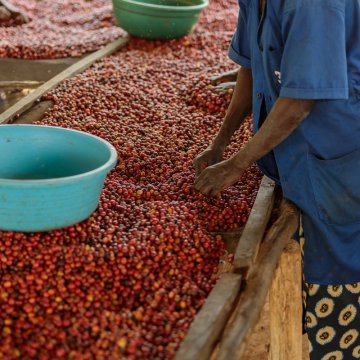
In natural coffee processing, the cherries are spread out on concrete patios or African beds immediately after harvesting and sorting, where they dry in the sun for several weeks. The cherries must be turned regularly to avoid uneven drying and over-fermentation of the pulp caused by heat. Overfermentation can create a defect, making the coffee taste like rotten fruit or alcohol.
Because the bean stays in contact with the pulp throughout the entire processing and drying period, it absorbs most of the sugars and other flavor and aromatic compounds from it. This is why these coffees have such a distinctive aroma.
During drying, the bean and the pulp separate naturally, so hulling the bean from the skin is much easier compared to the washed process.
After hulling, the beans may be further dried until they reach a moisture level of about 10–12%. The dry green beans are then sorted and prepared for export.
Coffees processed using the natural method have higher sweetness, a fuller body with fruity notes — most commonly of forest fruit, dried fruit, or chocolate. The aroma is stronger, more intense, and very fruity and chocolatey.